 Rehman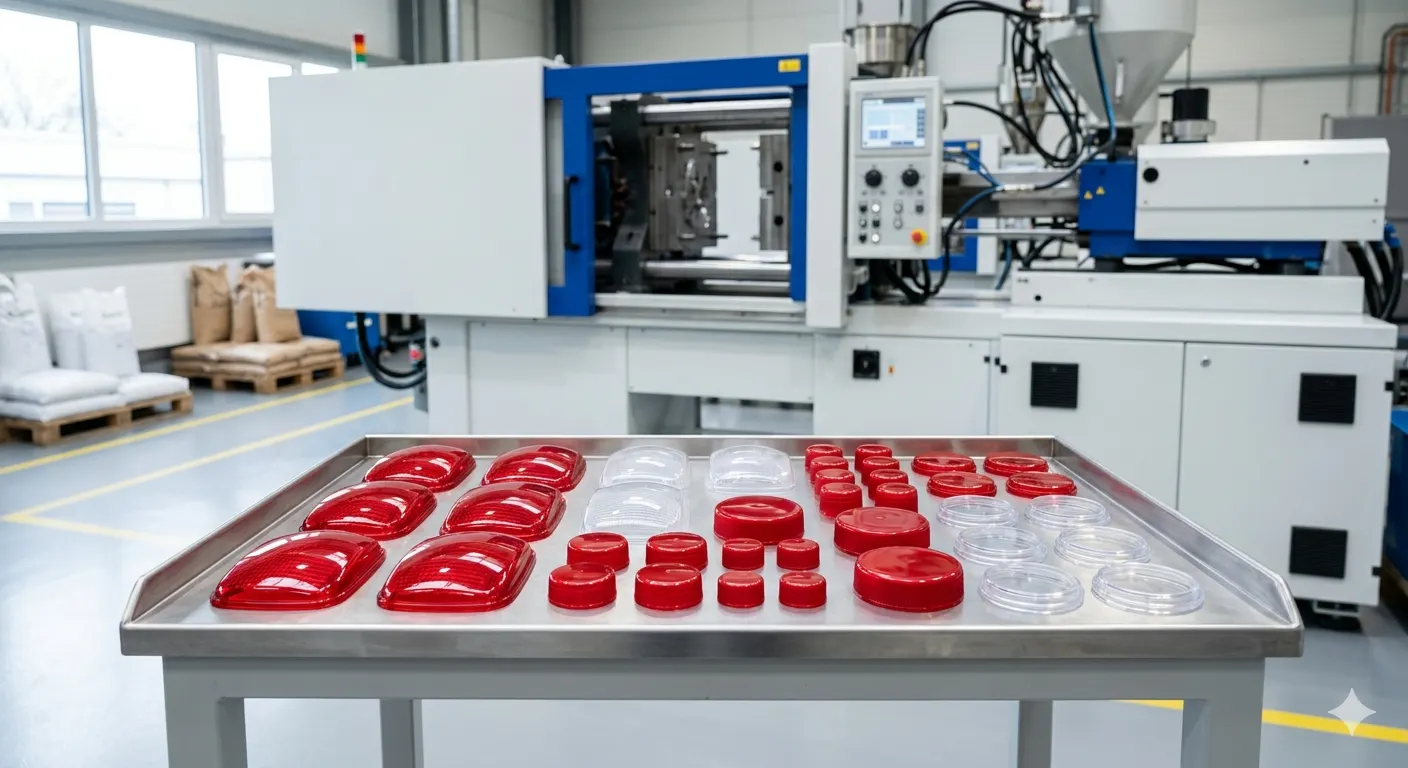
The short answer
Pakistan's plastic industry is regional and specialised, not general purpose. Karachi dominates packaging, films and large-volume consumer goods. Lahore and Gujranwala dominate engineered and industrial parts — automotive components, electrical housings, housewares and agricultural products. Faisalabad and Sialkot serve their own local industries. Peshawar and Quetta are comparatively small.
Almost nobody does everything. A factory that blow-moulds bottles usually cannot injection-mould a switch housing, because the machines, the tooling and the skills are completely different. Choosing a supplier starts with choosing the process, not the city.
The sector is overwhelmingly made of small and medium private firms. Very few publish capability data, most take orders by phone or WhatsApp, and there is no national directory that is both current and honest. That is precisely why buyers struggle to find the right factory — and why this guide is organised by what you are trying to make.
The four processes, and how to tell which one you need
Nearly every plastic product in Pakistan comes off one of four processes. Get this wrong and you will spend weeks talking to factories that physically cannot make your part.
Injection moulding
Molten plastic is forced into a steel mould under high pressure, cooled, and ejected as a finished solid part. This is the process behind switch housings, bottle caps, crates, automotive clips, furniture fittings, appliance parts and almost anything with precise dimensions or a rigid three-dimensional shape.
Use it when the part is solid, dimensionally precise, and repeated in volume. It carries the highest upfront tooling cost and the lowest per-part cost, which is why it needs volume to make sense. See what injection moulding actually involves.
Blow moulding
A hollow tube of plastic is inflated against a mould to form a hollow container. Bottles, jerry cans, drums, water tanks. If your product holds liquid and has a neck, it is almost certainly blow moulded, not injection moulded — although the cap is injection moulded, which is why bottle brands routinely deal with two different suppliers.
Extrusion
Plastic is pushed continuously through a die to make a long constant profile: pipes, sheets, films, cables, window profiles, packaging film. If your product is sold by the metre or the kilogram rather than by the piece, it is extruded.
Thermoforming and rotomoulding
Thermoforming heats a sheet and vacuums it over a shape — disposable trays, clamshell packaging, thin covers. Rotomoulding tumbles powder inside a heated hollow mould — large water tanks, road barriers, big hollow items. Both have far cheaper tooling than injection moulding and far looser tolerances.
The regional map: which city makes what
Karachi
The largest concentration by volume. Packaging, films, PET bottles, containers, houseware and large FMCG-driven runs. Karachi's advantage is the port — imported resin lands there first, so material is cheapest and most available. Its disadvantage for an inland buyer is freight, and the fact that the biggest plants are geared to high-volume FMCG contracts and are not especially interested in a 20,000-piece order.
Lahore and Gujranwala
The engineered-parts belt. This is where Pakistan's automotive parts, electrical accessories, appliance components, housewares and agricultural plastics are made. It is also where most of the country's local tool rooms sit — the workshops that actually cut moulds — which matters more than people realise, because if your moulder cannot repair or modify a tool in-house you will lose weeks every time a dimension needs correcting.
Gujranwala in particular is an engineering city first and a plastics city second. Its fan, appliance, sanitary and auto-parts industries created the demand for moulded components locally, and the moulding factories grew up serving them. That is why a Gujranwala moulder tends to be comfortable with metal inserts, tight tolerances and functional parts rather than thin-wall packaging.
Faisalabad
Textile-driven. Bobbins, cones, spools, machine parts and packaging for the textile trade, plus general household goods.
Sialkot
Serves the sports goods, surgical instrument and leather industries — mostly smaller, precision and cosmetic parts, often with export-grade finish requirements because the end products are exported.
Islamabad, Peshawar, Quetta and interior Sindh
Comparatively thin. Mostly local-market goods and pipe or tank production. A buyer needing engineered components will usually end up sourcing from Punjab or Karachi regardless of where they are based — and freight within Pakistan is cheap enough that this is rarely the deciding factor.
What the industry actually runs on
Imported resin. Pakistan produces some PVC and PTA domestically, but the polypropylene, polyethylene, ABS, nylon and polycarbonate that engineered parts are made from are largely imported. This has one consequence every buyer should understand: material price is not under your supplier's control. It moves with the dollar rate and with international resin markets. A quote that was accurate in March may not hold in September, and any moulder who pretends otherwise is either absorbing the risk or planning to renegotiate later.
Second-hand machinery, mostly Japanese and Chinese. Very few plants in Pakistan buy new presses. The market runs on imported used machines — Japanese ones are prized for build quality and control stability, Chinese ones for price and parts availability. What matters to you as a buyer is not the badge but whether the clamp tonnage and shot weight suit your part, and whether the machine holds settings consistently across a long run.
In-house versus outsourced tooling. This is the single biggest quality divider in the Pakistani market. Factories with their own tool room can cut, modify and repair moulds themselves. Factories without one send the tool out, which turns a two-day correction into a three-week one and means nobody quite owns the problem. Ask this question before you ask about price. Our own mould making and tooling is in-house for exactly this reason.
Informality. A large share of the sector operates with limited documentation. Registered, tax-compliant suppliers who invoice properly are a minority, and if you are a corporate buyer or an exporter that distinction is not optional — you cannot claim input tax on an invoice that does not exist.
Why sourcing is genuinely hard here
Almost nobody publishes their capabilities. Most factories have no website, or a website that lists nothing useful — no machine sizes, no tonnage range, no materials handled, no minimum order. You cannot screen suppliers on paper, so you screen them by phoning twenty of them.
Directories are stale. The listings you find on aggregator sites are years old, full of closed businesses and duplicated entries, and ranked by who paid rather than who can do the work.
Traders present themselves as manufacturers. A significant share of the companies that answer a plastics enquiry do not own a press. They subcontract, add a margin, and stand between you and the people who actually make your part — which is fine until something needs fixing and they cannot fix it.
Capability is rarely stated honestly. Very few suppliers will say no. Ask whether a factory can hold a tight tolerance on a glass-filled nylon part and the answer is usually yes, regardless of whether it is true. This is the failure mode that costs buyers the most time.
How to pick a factory without visiting twenty of them
Ask for the machine list. Clamp tonnage range, shot weight, number of presses. A supplier who cannot produce this in five minutes does not own the machines. Ours is published on the machines and capacity page.
Ask whether the tool room is in-house. Then ask who cut the last mould they delivered and how long a typical modification takes.
Ask what they already make that resembles your part. Similar wall thickness, similar material, similar size. A factory that runs thin-wall packaging all day is not the right home for a glass-filled structural bracket, and the reverse is equally true. Our product range is the honest version of that answer for us.
Ask for the tooling ownership terms in writing. Who owns the mould once it is paid for, where it is stored, and what happens if you move. This is where most supplier relationships turn sour, and it is trivially avoidable by settling it before any steel is cut.
Ask for a first-article sample before the full run. Any competent moulder expects this. Anyone who resists it is telling you something.
Check registration. An NTN and sales tax registration is a five-second question and it filters out a large share of the market before you have wasted a week.
Where the industry is going
Import substitution is the growth engine. Every year more components that used to be imported — auto parts, appliance internals, electrical accessories — are made locally, because the exchange rate keeps making imports more expensive relative to domestic production. This is the strongest tailwind the sector has, and it favours factories that can build tooling rather than just run it.
Regulation is tightening on single-use plastics in several provinces. This mostly affects bags, films and thin packaging. It has little effect on engineered and durable moulded parts, which is where the industry has been quietly shifting anyway.
Recycled material is now normal, not fringe. Pakistan has a large informal recycling network, and regrind and recycled grades are widely used in non-critical parts. Used correctly this is a legitimate cost saving. Used dishonestly — recycled material in a part quoted as virgin — it is the most common quality fraud in the market. Specify virgin in writing when it matters, particularly for food-contact and structural parts.
Energy cost is the constraint nobody advertises. Electricity pricing and reliability shape which factories survive. It is worth asking a prospective supplier what happens to your delivery date during a load-shedding week, because the answer differs enormously between plants.
Bottom line
Pakistan's plastic industry is capable, competitively priced and well established — it is simply badly documented. The difficulty is not finding a factory, it is finding out which factory can actually make your part, and there is no shortcut except asking specific questions and expecting specific answers.
Start from the process, narrow to the region, then screen on tool room, machine list and comparable work. Three good questions will eliminate most of a shortlist in a single phone call.
We are an injection moulding factory in Gujranwala, running since 2006, with our own tool room and Japanese presses. If you have a part in mind, send us the drawing or a sample and you will get real numbers within a business day.
Frequently asked questions
Which city in Pakistan is best for plastic manufacturing?
It depends on the process. Karachi leads in packaging, films and high-volume consumer plastics because imported resin lands at the port there. Lahore and Gujranwala lead in engineered injection-moulded parts — automotive components, electrical housings, housewares and agricultural products — because that is where most of the country's tool rooms and engineering industries are. Faisalabad serves textiles and Sialkot serves sports goods and surgical instruments.
How is Gujranwala's plastic industry different from Karachi's?
Gujranwala is an engineering city, so its moulding factories grew up supplying local fan, appliance, sanitary and auto-parts manufacturers. That makes them comfortable with functional parts, metal inserts and tighter tolerances, usually in medium volumes. Karachi's plants are geared toward high-volume packaging and FMCG work, with cheaper material access through the port but less appetite for smaller engineered runs.
How do I know if a plastic supplier in Pakistan is a real manufacturer or a trader?
Ask for their machine list — clamp tonnage range, shot weight and number of presses. A genuine manufacturer answers in minutes; a trader deflects or promises to send it later. Then ask whether their tool room is in-house and what they currently make that resembles your part. Traders subcontract, so they cannot answer specifically about machines they do not own.
Why do plastic prices in Pakistan change so often?
Because the polypropylene, polyethylene, ABS and nylon used in engineered parts are largely imported. Material cost moves with the dollar exchange rate and with international resin markets, neither of which a local moulder controls. A quote given several months ago may no longer hold, so ask how long a quoted price is valid and whether material is priced at order or at delivery.
Is injection moulding or blow moulding right for my product?
Injection moulding suits solid, dimensionally precise parts made in volume — housings, caps, crates, clips, fittings. Blow moulding suits hollow containers with a neck, such as bottles, jerry cans and tanks. If your product holds liquid and has a narrow opening it is blow moulded, although its cap will be injection moulded, which is why bottle brands often use two suppliers.
Is recycled plastic common in Pakistani manufacturing?
Yes. Pakistan has a large informal recycling network and recycled or regrind material is routinely used in non-critical parts, which is a legitimate way to reduce cost. The problem is undisclosed substitution — recycled material used in a part that was quoted as virgin. Specify virgin resin in writing for food-contact, structural and cosmetic parts, and ask for material documentation.
What we do at Rehman Industry
Need a quote for your part?
Send us your drawing, sample or just a description. We'll reply within a business day with real numbers.


